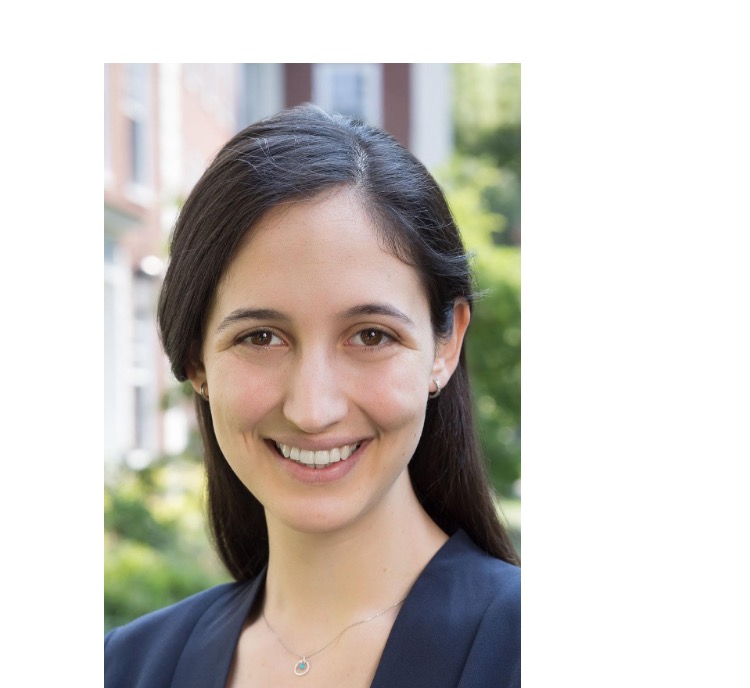
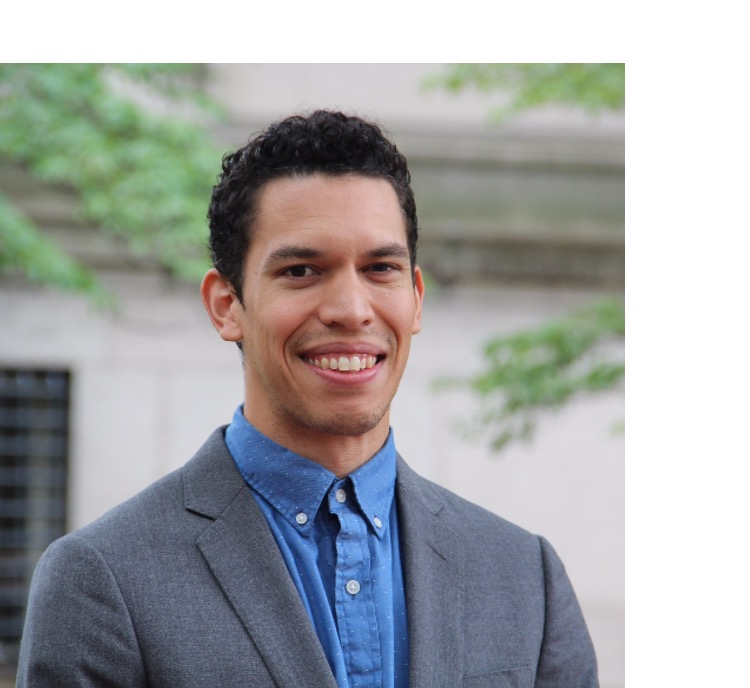
What is SINGO?
SINGO is a lab meeting/seminar for individuals interested in furthering their understanding of Social Interactions in Groups and Organizations. Founded by Professors Modupe Akinola and the late Katherine Phillips, Professors Akinola, Ponce de Leon, and Brown continue the legacy of the SINGO lab through biweekly meetings held throughout the academic year.
The SINGO lab aims to answer several questions, namely, how do we make sense of ourselves and others in organizations? Building on a long tradition of research and theory in social psychology, and invigorated by an infusion of new ideas and methods emerging from cognitive psychology, social cognition researchers have shed new light on many classic social psychological questions and have extended these ideas in applied (e.g., organizational) contexts.
The lab meeting/seminar has both a practical and theoretical focus. Practically, it focuses on how to identify and formulate questions that are both provocative and tractable, decide on appropriate research designs and strategies, write an effective research article, and navigate the publication process. Theoretically, it provides a more complete understanding of how people think about individuals and groups in organizations.
Our meetings are primarily discussion based, revolving around potential and ongoing research conducted by our faculty, postdocs, doctoral students, and visitors.
Lab Directors
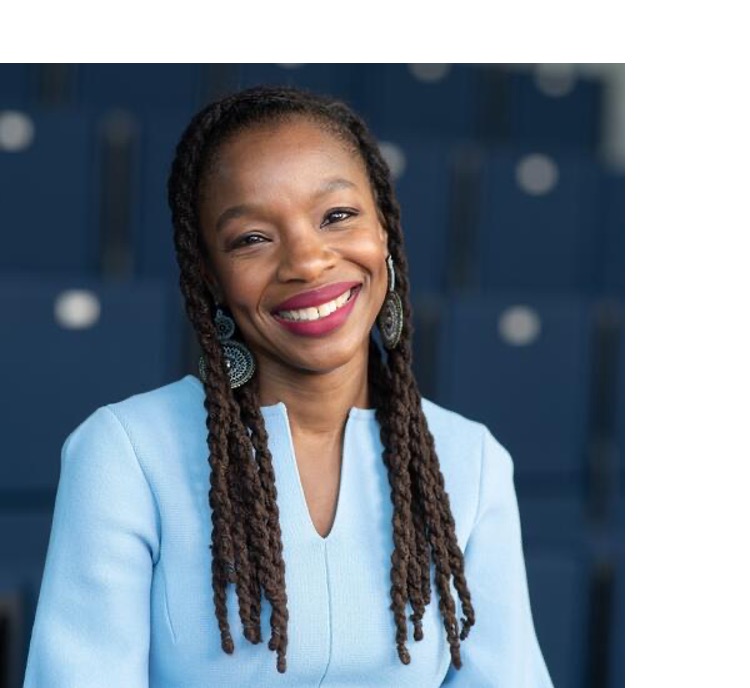
Modupe Akinola
Personal Website CV
Modupe Akinola is the Barbara and David Zalaznick Professor of Business at Columbia Business School and Faculty Director of the Bernstein Center for Leadership and Ethics. Prior to pursuing a career in academia, Professor Akinola worked in professional services at Bain & Company and Merrill Lynch. Professor Akinola examines how organizational environments- characterized by deadlines, multi-tasking, and other attributes such as having low status- can engender stress, and how this stress can have spill-over effects on performance. She uses a multi-method approach that includes behavioral observation, implicit and reaction time measures, and physiological responses (specifically hormonal and cardiovascular responses) to examine how cognitive outcomes are affected by stress. In addition, Professor Akinola examines workforce diversity. Specifically, she examines the strategies organizations employ to increase the diversity of their talent pool. She also explores biases that affect the recruitment and retention of minorities in organizations.
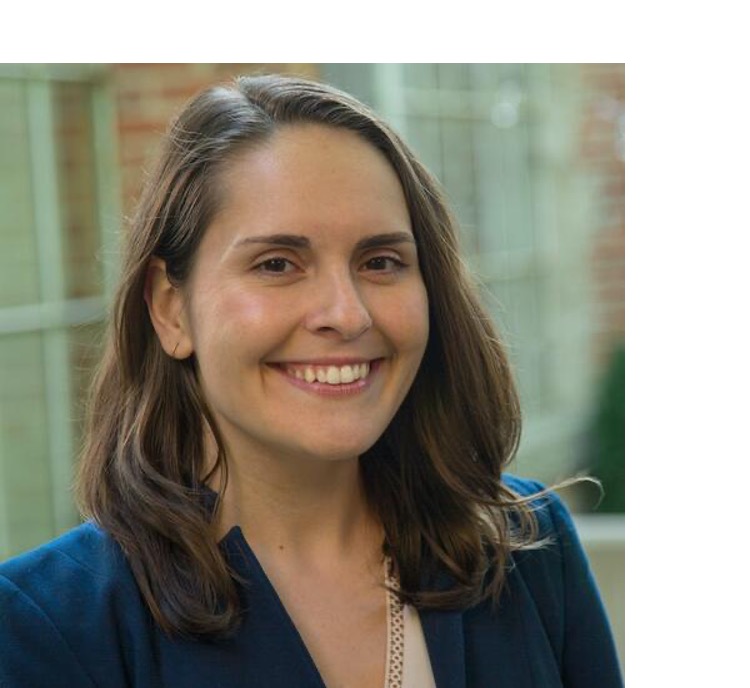
Rebecca Ponce de Leon
Personal Website CV
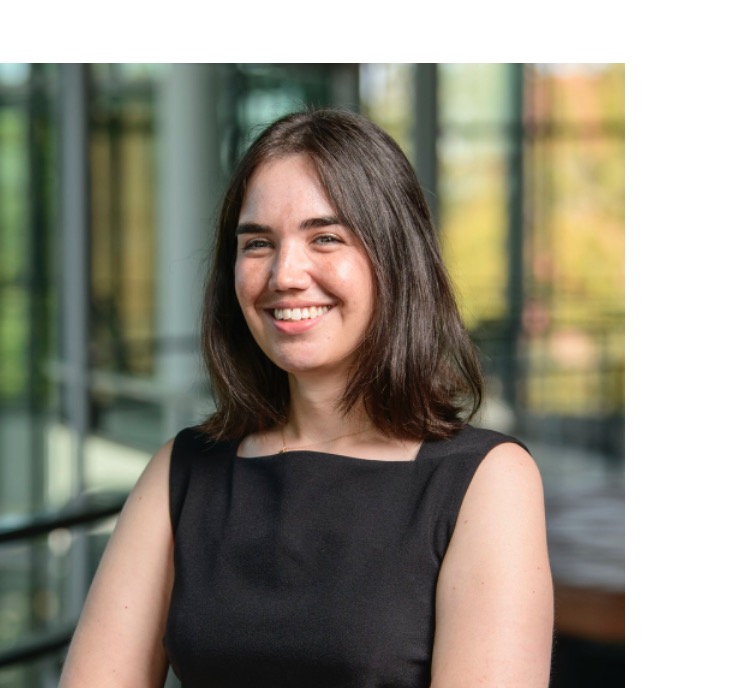
Rebecca Ponce de Leon is an Assistant Professor in the Management Division of Columbia Business School. She studies the forces that contribute to inequality in organizations and society, with a focus on biases related to social stereotypes, category prototypes, and motivated reasoning. Her research is grounded in the desire to better understand the mechanisms that hinder progress toward greater diversity, equity, and inclusion in our workplaces and communities.
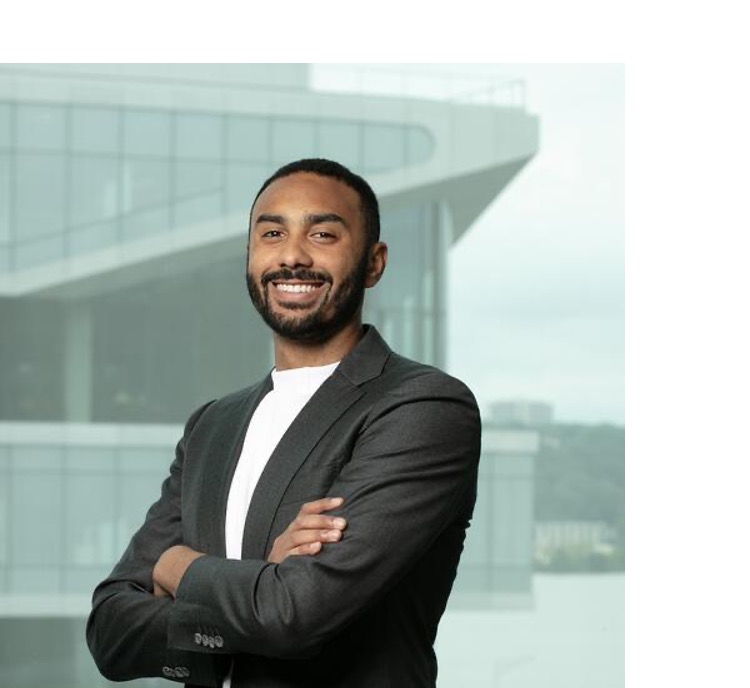
Derek Brown
Personal Website CV
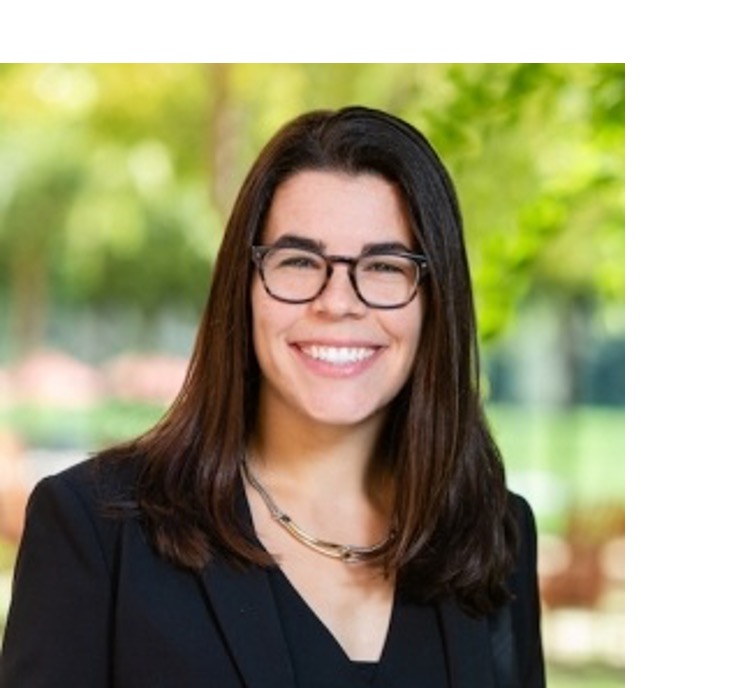
Derek Brown is an Assistant Professor in the Management Division at Columbia Business School. He investigates psychological forces that stifle equity in organizations and society. His research focuses on how and why group membership, social hierarchies, and intergroup ideologies shape how we react and respond to the increasingly diverse society around us.
Current PhD Students

Michael White
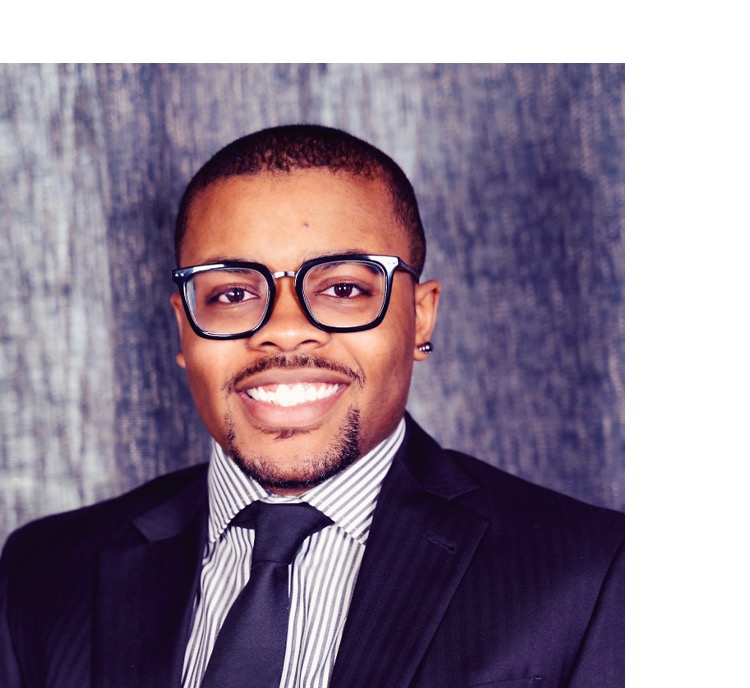
Michael White is a fifth-year Ph.D. candidate in the Management Division at Columbia Business School. His research explores emotions, ethics, and leadership at work with a focus on people's experience of awe. Much of his work examines these dynamics in the context of diversity, equity, and inclusion.
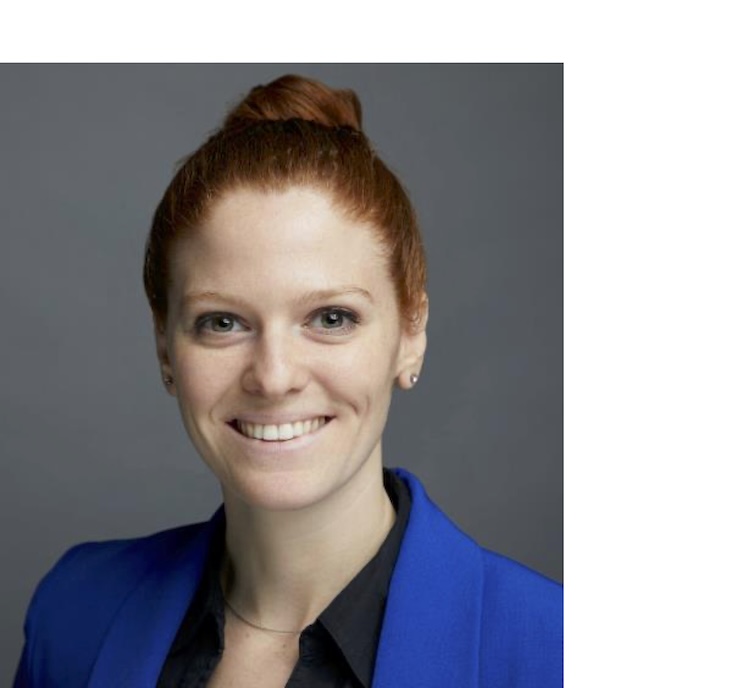
Katie Boland
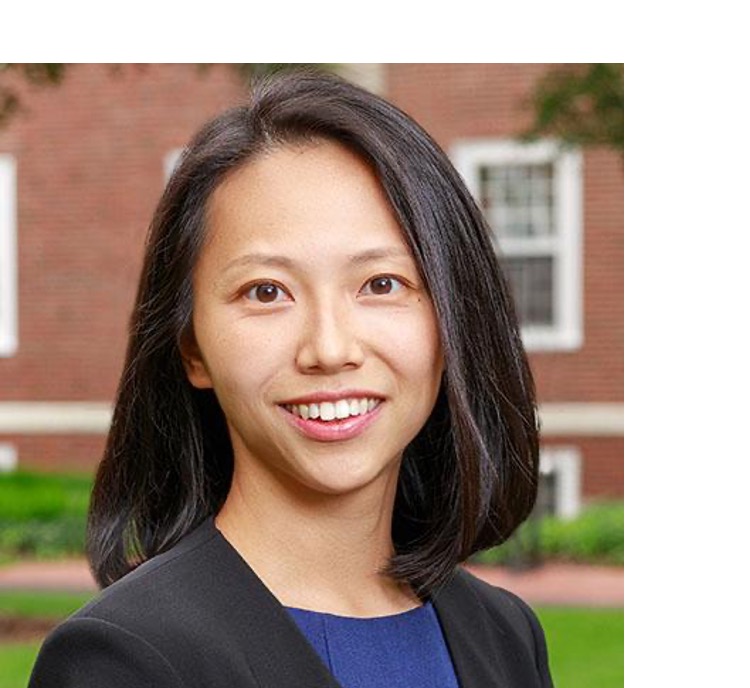
F Katelynn (Katie) Boland is a third-year PhD student in Organizational Behavior at Columbia Business School. She has a deep-seated passion for understanding experiences of loss both in and outside of the workplace. Her research explores common forms of loss, the ways people discuss (or avoid discussing) loss, and how organizations can uniquely support employees navigating these experiences. Katie also examines dyadic and group conversations, focusing on the interactions we tend to avoid and strategies that encourage open, constructive dialogue. She ultimately aims to show how addressing difficult topics—especially those related to loss—can foster positive interpersonal connections and strengthen organizational culture, promoting trust and well-being in both our personal and professional lives.