Official Logo of Columbia Business School
Academics
  • Visit Academics
  • Degree Programs
  • Admissions
  • Tuition & Financial Aid
  • Campus Life
  • Career Management
Faculty & Research
  • Visit Faculty & Research
  • Academic Divisions
  • Search the Directory
  • Research
  • Faculty Resources
  • Teaching Excellence
Executive Education
  • Visit Executive Education
  • For Organizations
  • For Individuals
  • Program Finder
  • Online Programs
  • Certificates
About Us
  • Visit About Us
  • CBS Directory
  • Events Calendar
  • Leadership
  • Our History
  • The CBS Experience
  • Newsroom
Alumni
  • Visit Alumni
  • Update Your Information
  • Lifetime Network
  • Alumni Benefits
  • Alumni Career Management
  • Women's Circle
  • Alumni Clubs
Insights
  • Visit Insights
  • Digital Future
  • Climate
  • Business & Society
  • Entrepreneurship
  • 21st Century Finance
  • Magazine

Looking Back at the Key Election Issues

Ahead of this year’s presidential election, we asked Columbia Business School faculty and other Columbia University experts to reflect on key topics—from housing and healthcare to national debt—that could shape this year’s vote. Here’s what they told us.

Published
November 9, 2024
Publication
Columbia Business
Focus On
Economy & Policy, Policy & Election 2024
Jump to main content
A person in a voting booth
Category
Thought Leadership
Topic(s)
Business and Society, Elections, Faculty, Faculty Views, Politics

0%

We’ve gathered insights from Columbia Business School faculty and other Columbia University experts, analyzing key topics—from housing and healthcare to national debt—that may have shaped this year’s vote. 

Explore their perspectives below.


1. Deep-Fakes Are Better than Ever. What Does That Mean for the Presidential Election?

The technology poses significant challenges to electoral integrity and has sparked a race between those attempting to manipulate information and those striving to uphold democratic values, argues Bernstein Professor Bruce Kogut.

deepfake tech

Read More


2. Housing and the Election: Key Issues the Candidates Shouldn’t Ignore

From affordability challenges to climate risks, politicians must tackle America’s urgent housing crisis with innovative solutions and policy reforms, says the Kazis and Schore Professor Stijn Van Nieuwerburgh.

Housing image


Read More


3. Health Care: The Winning Closing Argument in a Tight Election

In the final days of the presidential campaign, a heightened focus on improving the nation’s health proved to be a critical factor in a closely contested election, says Professor Michael Sparer.

A hospital


Read More


4. Fake News Fears and Democracy: The Complex Reality

The speed and intensity at which misinformation spreads indicates a growing difficulty in discerning truth, says Richman Professor Andrea Prat.
News on a mobile device

Read More


5. America’s Silent Crisis

Preservation of our financial stability and military dominance is on the line, and it depends on getting our debt problem under control, says MUTB Professor Pierre Yared.

US currency


Read More


6. U.S.-China Trade: What Voters Need to Know Before Heading to the Polls

With tariffs driving up prices and threatening corporate growth, voters need to understand the real economic stakes of U.S.-China trade policies, says Professor David Weinstein.

US China trade


Read More


7. Can TikTok Sway the Election? Candidates Are Hoping So.

The American public is witnessing a new phenomenon: the partnership between political candidates and content creators, says Professor Mohamed Hussein.
TikTok logo on a large screen


Read More


8. Beyond Inflation: The Hidden Power of Antitrust Policy in the 2024 Election

With key appointments and contrasting philosophies in play, voters face a critical choice on the future of competition policy, argues Professor Paola Valenti.
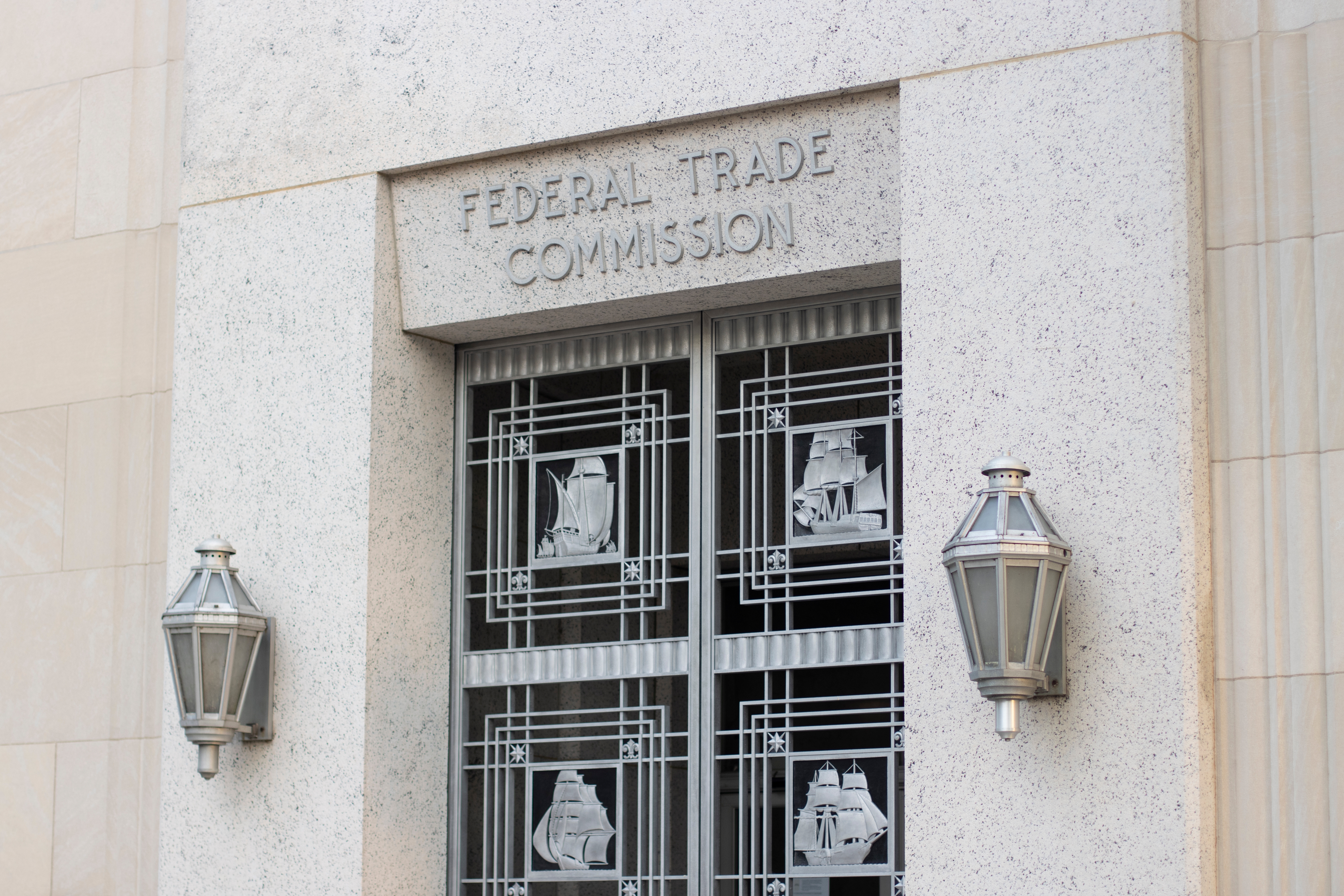
The FTC building in Washington, DC


Read More


9. America’s Energy Future: Growth vs. Climate Policy

Voters are increasingly focused on how parties balance environmental and economic priorities, writes Gautam Gowrisankaran, an economics professor at Columbia University.

Wind turbines and solar panels


Read More


10. As Big Tech Gets Bigger, Antitrust Issues Loom Larger

Here are the key issues to keep in mind when assessing the candidates’ stances on Big Tech and monopolies this election season, writes Cooperman Professor Laura Veldkamp.
Front of a Google office building


Read More


11. What Does Trump Mean for the Climate?

It’s clear that Kamala Harris takes the climate crisis much more seriously than Donald Trump. But even Trump cannot derail the ongoing global shift toward a low-carbon, high-efficiency economy, which continues to gain momentum, according to Professor Gernot Wagner.

Smoke from an industrial plant


Read More


Visit Columbia Business Insights to see more thought leadership content from Columbia Business School.

For more political coverage, visit our Policy & Election 2024 page.

You Might Like

Elections, Marketing, Politics
Type
Business & Society
Date
October 10, 2024
Elections, Marketing, Politics

The Rise of Meddle Ads in Political Campaigns—and Why They’re Backfiring

Watch Professor Mohamed Hussein describe this new approach to political campaigning and explain why it might not always have the desired impact.
  • Read more about The Rise of Meddle Ads in Political Campaigns—and Why They’re Backfiring about The Rise of Meddle Ads in Political Campaigns—and Why They’re Backfiring
Business and Society, Elections, Leadership, Politics
Type
Research In Brief
Date
September 19, 2024
Business and Society, Elections, Leadership, Politics

Why Political Debates Are Less Bitter and More Constructive than Most People Think

Work by Professors Modupe Akinola, Sheena Iyengar and their co-researchers shows that political disagreements in America are characterized by more civility, engagement, and hope than many perceive.
  • Read more about Why Political Debates Are Less Bitter and More Constructive than Most People Think about Why Political Debates Are Less Bitter and More Constructive than Most People Think
Business and Society, Elections, Media and Technology, Politics
Date
May 22, 2024
Visual representation of misinformation
Business and Society, Elections, Media and Technology, Politics

The Surprising Factors That Make Readers (and Voters) Susceptible to Misinformation

Research by Professor Andrea Prat investigates how well Americans can detect false information compared to their ability to recognize true facts, revealing that information inequality — rather than widespread misinformation — is the core issue impacting discernment.
  • Read more about The Surprising Factors That Make Readers (and Voters) Susceptible to Misinformation about The Surprising Factors That Make Readers (and Voters) Susceptible to Misinformation
Elections, Marketing, Politics
Date
October 29, 2024
Illustration of Democrats and Republicans
Elections, Marketing, Politics

Divided We Shop: How the Brands We Buy Reflect Our Political Preferences

New research from Professor Oded Netzer and his colleagues reveals that political polarization in the United States extends beyond obvious political indicators, spilling over to other aspects of our lives, like our brand preferences and purchases. Their work reveals more about this increasingly divided marketplace and its implications for both brands and consumers.
  • Read more about Divided We Shop: How the Brands We Buy Reflect Our Political Preferences about Divided We Shop: How the Brands We Buy Reflect Our Political Preferences
Business and Society, Decisions, Elections, Politics
Date
October 03, 2024
Two men discussing bad news, looking at the screen of a smartphone
Business and Society, Decisions, Elections, Politics
Press Release

Misinformation Is Thriving—And It's Not Just Politics to Blame

New Research Shows U.S. Voters’ Ability to Identify Real News Hinges on Education and Income, Not Political Alignment
  • Read more about Misinformation Is Thriving—And It's Not Just Politics to Blame about Misinformation Is Thriving—And It's Not Just Politics to Blame
Save Article

Download PDF

More to Explore
Share
  • Share on Facebook
  • Share on Threads
  • Share on LinkedIn

External CSS

Homepage Breadcrumb Block

Official Logo of Columbia Business School

Columbia University in the City of New York
665 West 130th Street, New York, NY 10027
Tel. 212-854-1100

Maps and Directions
    • Centers & Programs
    • Current Students
    • Corporate
    • Directory
    • Support Us
    • Recruiters & Partners
    • Faculty & Staff
    • Newsroom
    • Careers
    • Contact Us
    • Accessibility
    • Privacy & Policy Statements
Back to Top Upward arrow
TOP

© Columbia University

  • X
  • Instagram
  • Facebook
  • YouTube
  • LinkedIn